REA, NATIONAL JUDICIAL INSTITUTE EXPLORE COLLABORATION ON SUSTAINABLE ENERGY SOLUTIONS
NEWS
REA, NATIONAL JUDICIAL INSTITUTE EXPLORE COLLABORATION ON SUSTAINABLE ENERGY SOLUTIONS
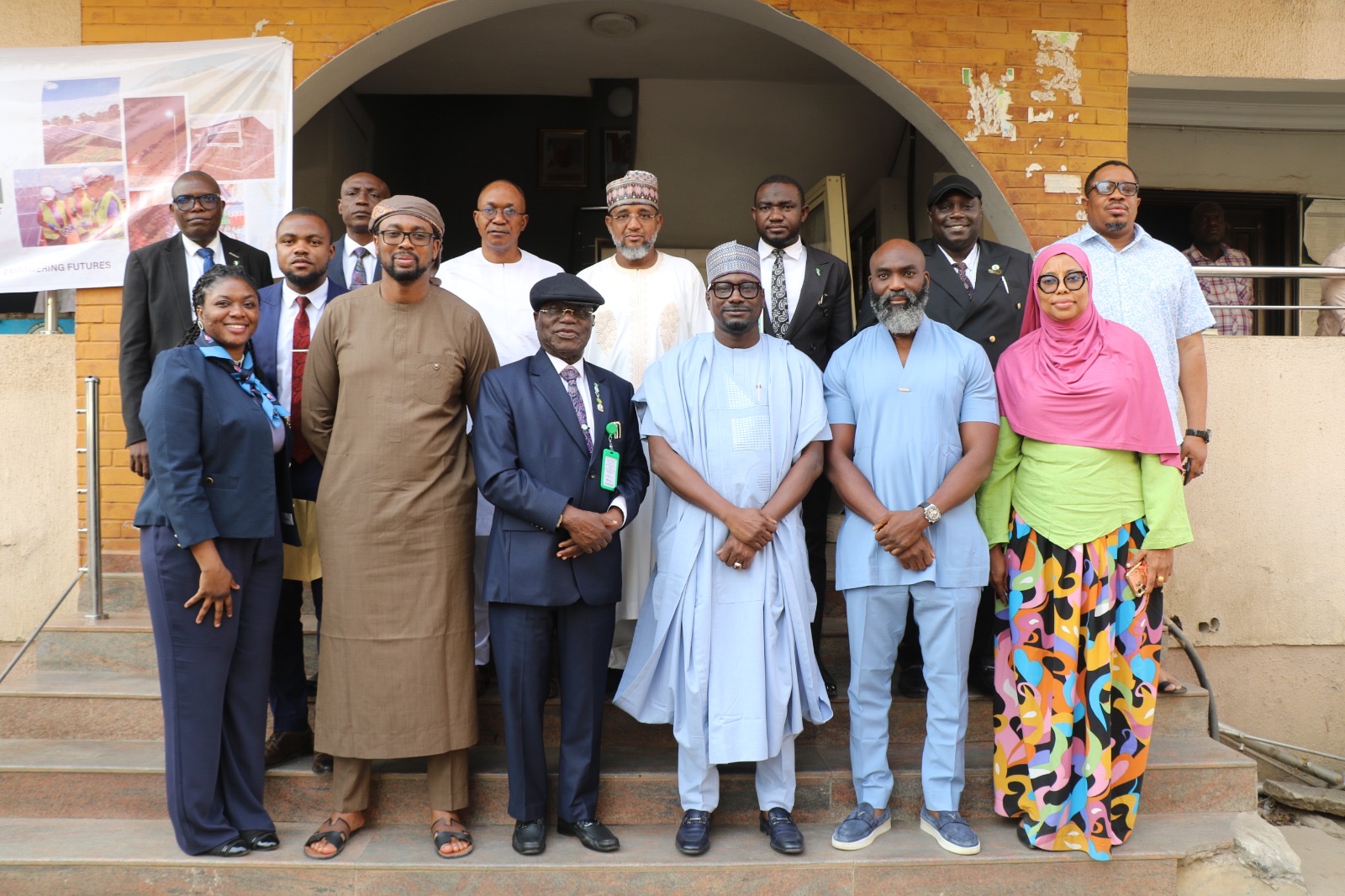
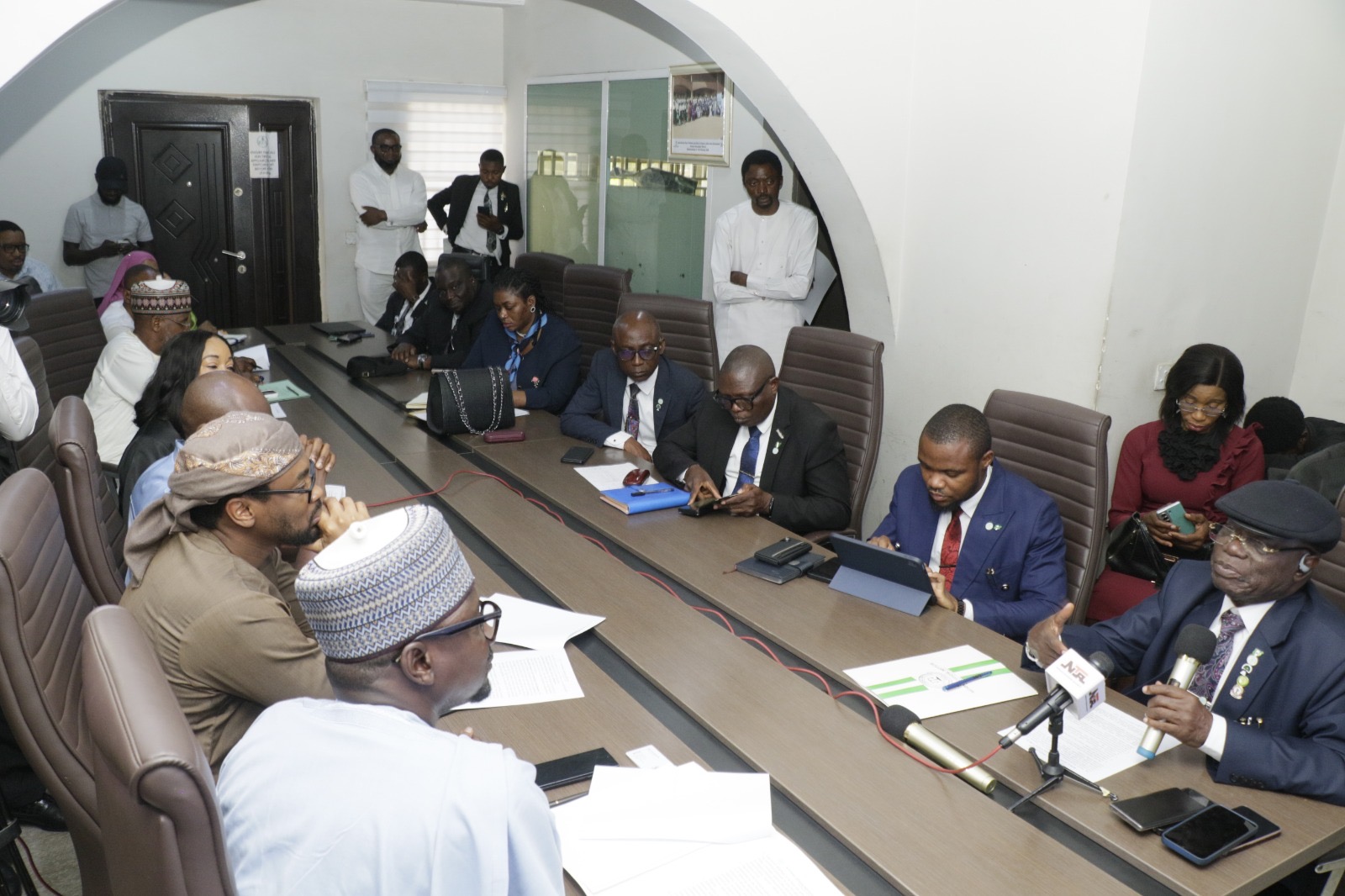
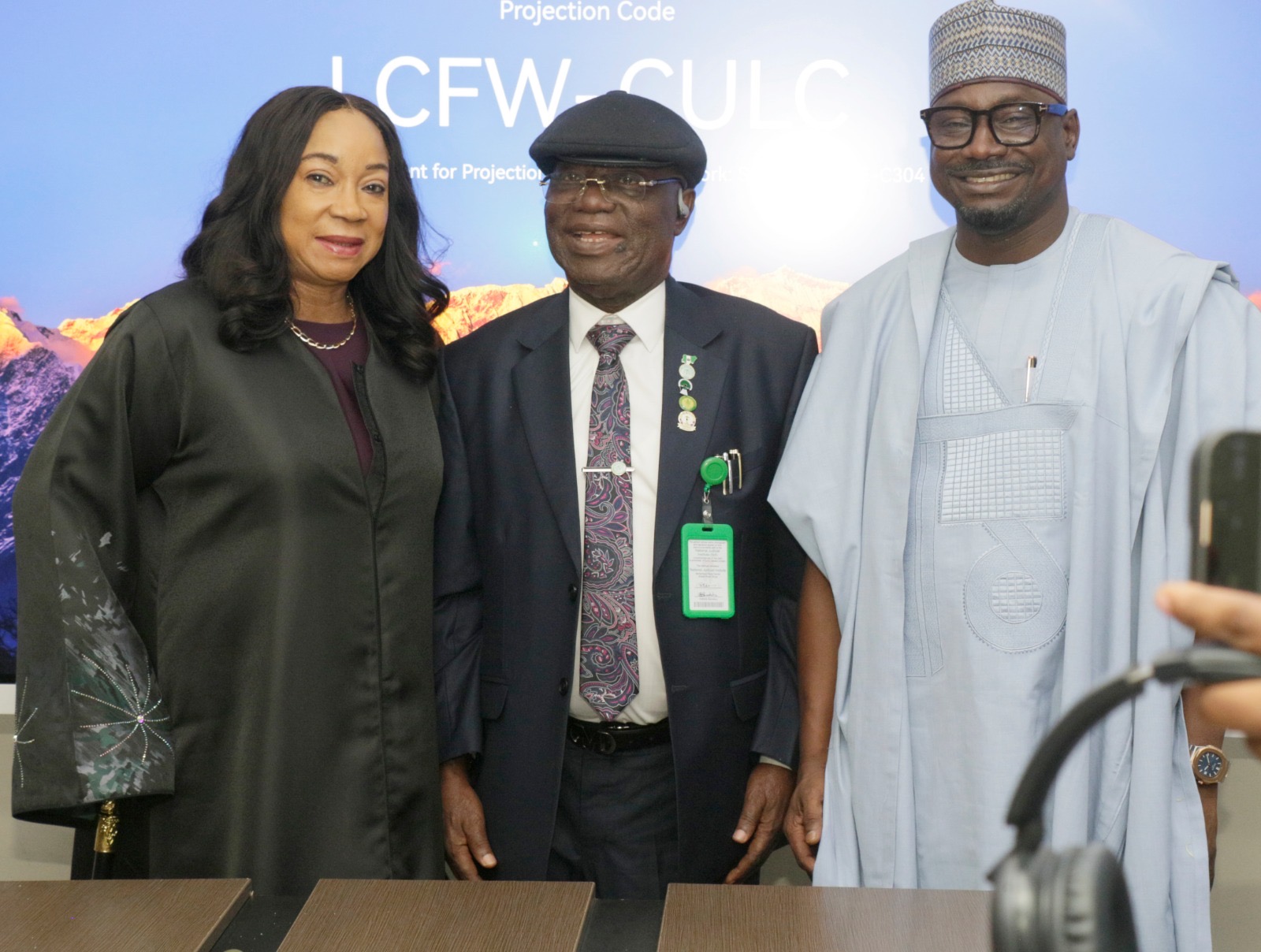
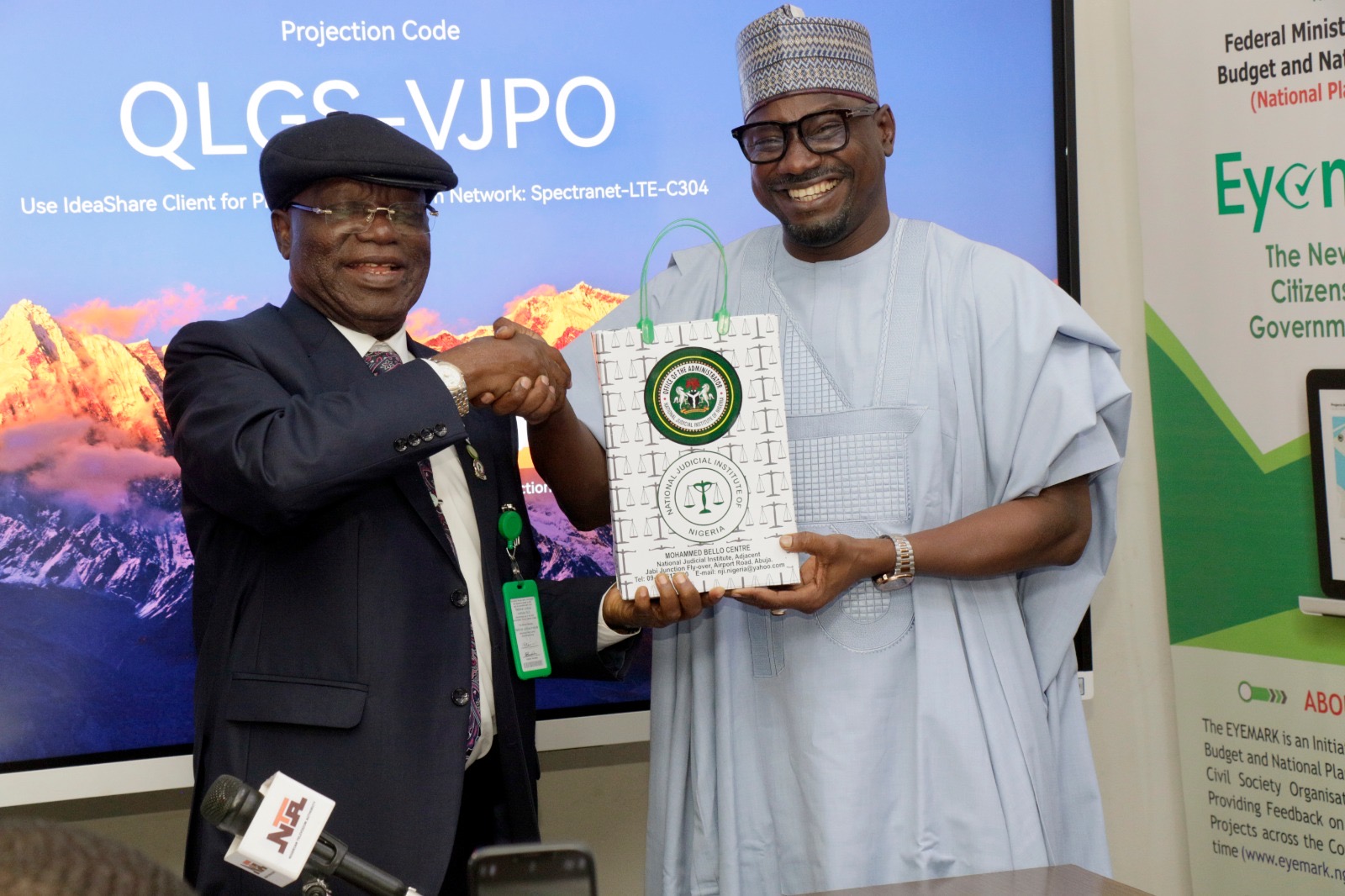
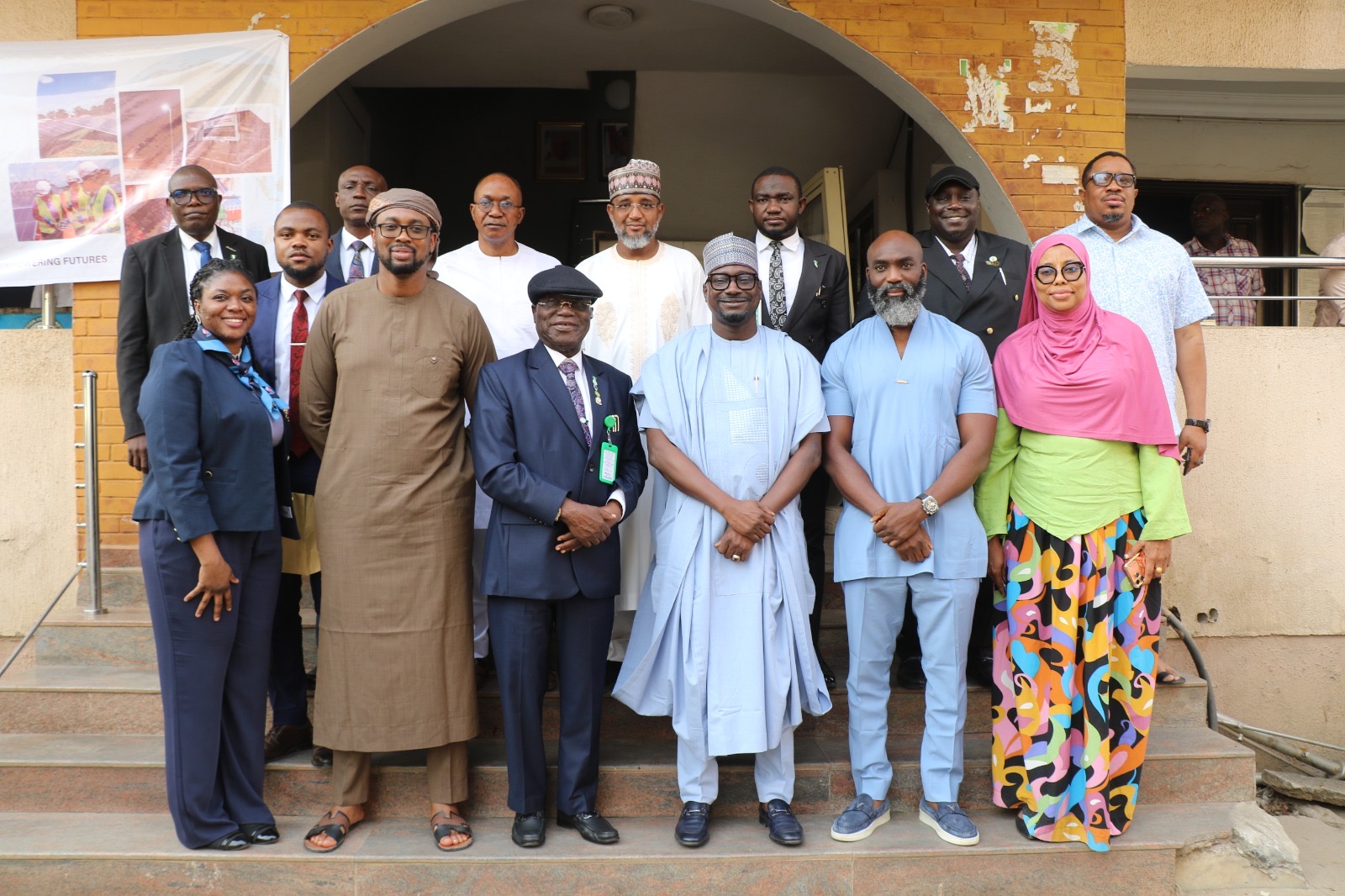
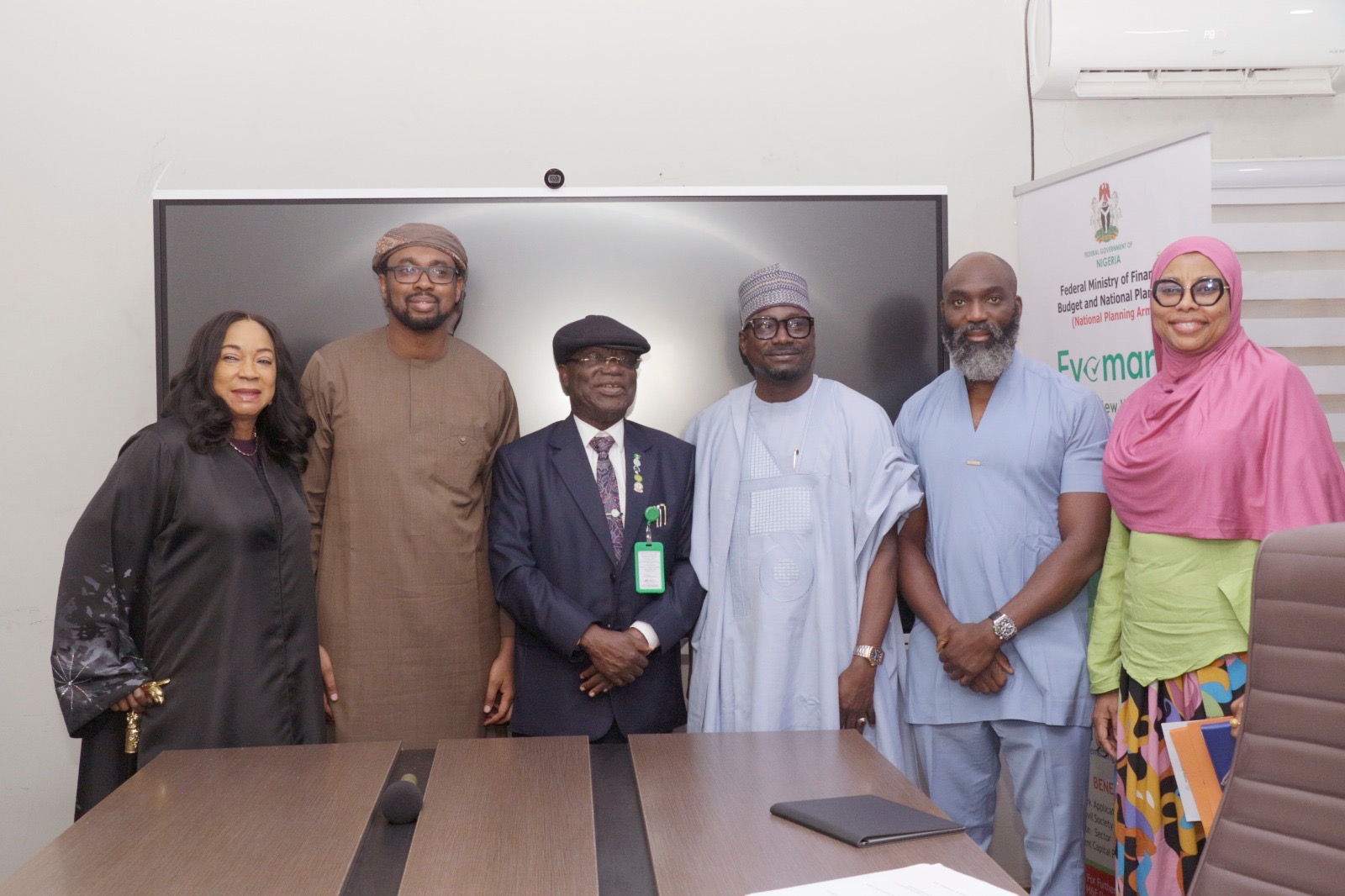
The Rural Electrification Agency (REA) on March 5, 2026, hosted a courtesy visit from the Administrator of the National Judicial Institute (NJI), Hon. Justice B.A. Adejumo, OFR, to explore opportunities for partnership and collaboration between both institutions.
The engagement featured presentations showcasing the impact of REA’s electrification initiatives across rural communities and public institutions. Highlights included programmes such as the Nigeria Electrification Project (NEP), the Energizing Education Programme (EEP) and the Rural Electrification Fund (REF).
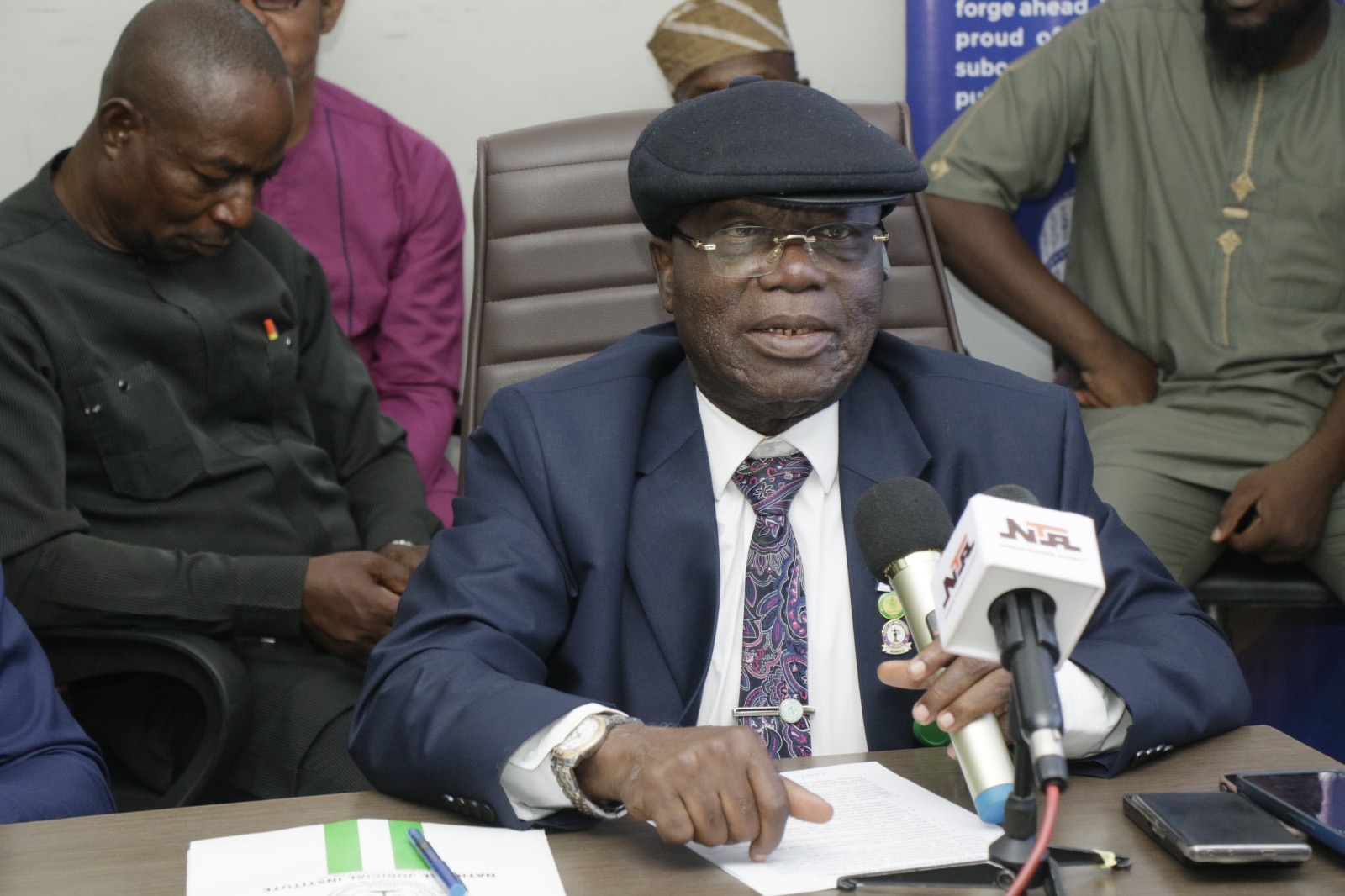
Justice Adejumo explained that his interest in the Agency’s work was sparked during discussions at the Presidential Villa about REA’s growing impact nationwide. He commended the Agency’s leadership for advancing energy access and emphasized that electricity remains essential for productivity, economic growth, and small businesses.
He also highlighted the importance of reliable power for the National Judicial Institute, which is responsible for training judges and legal professionals, and requested REA’s support in improving electricity supply to the Institute. The NJI Administrator further proposed the establishment of a Memorandum of Understanding (MoU) and a joint committee to strengthen collaboration between both institutions.
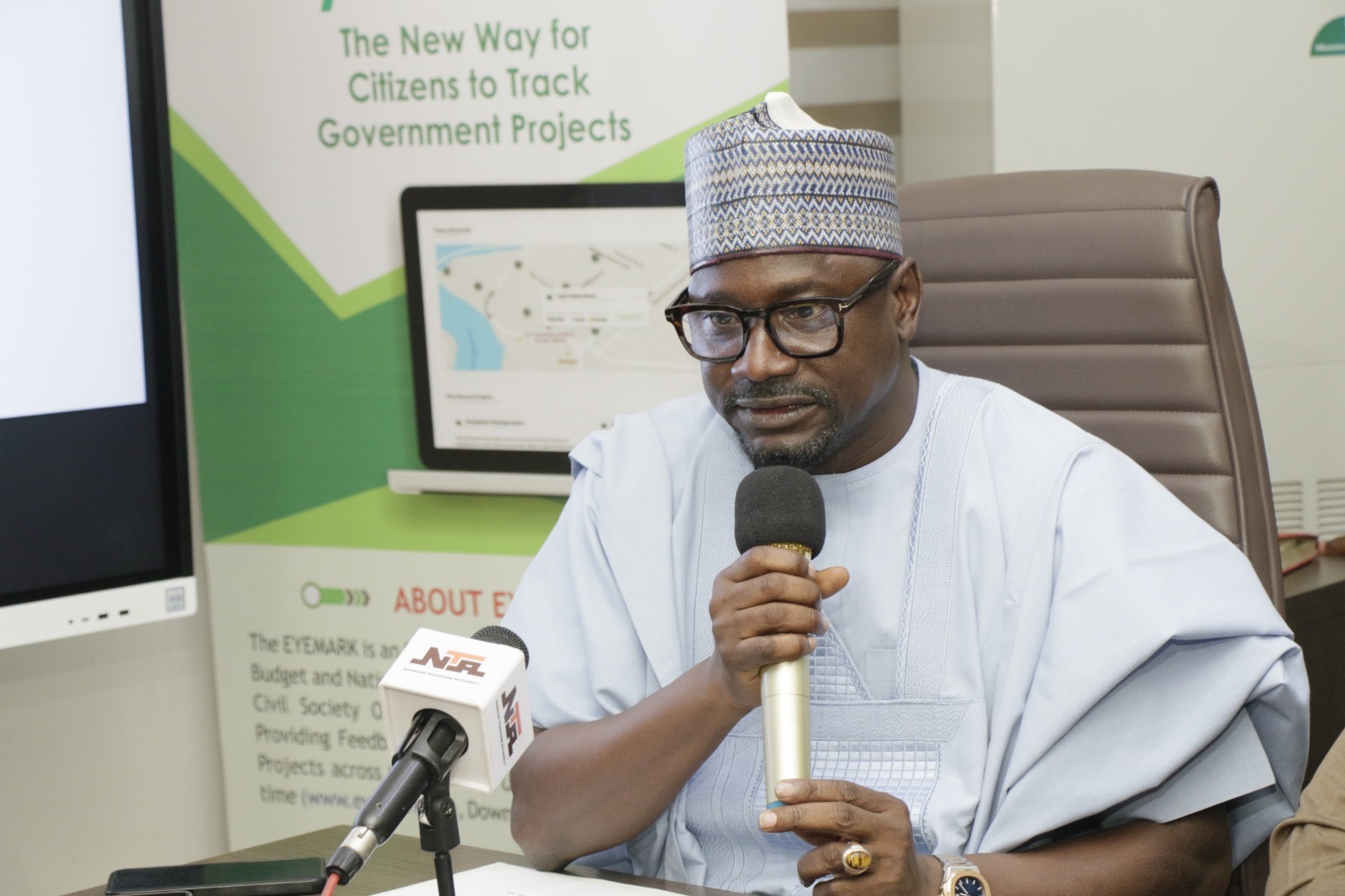
In response, the Managing Director/CEO of REA appreciated the visit and reaffirmed the Agency’s commitment to expanding electricity access across Nigeria through programmes such as the Distributed Access through Renewable Energy Scale-up (DARES), REF, EEP and the National Public Sector Solarization Initiative (NPSSI).
The MD noted that the Institute’s request could be addressed through the National Public Sector Solarization Initiative and assured that NJI would be considered among institutions currently undergoing energy audits for potential inclusion in the programme.
With the NJI managing nearly 300 buildings and about 900 residents, both organizations discussed opportunities to deploy sustainable energy solutions to support the Institute’s operations.
The meeting ended with both institutions expressing commitment to deepening engagement and pursuing a formal partnership to support reliable and sustainable energy access.